AI-Powered Translation Tools Improve Accuracy
Unlocking International Communication: The Impact of AI Language Translation
Imagine exploring a vibrant market in a foreign country, yet you can effortlessly communicate with residents because of AI language translation tools. These innovations not only close language gaps but also create new chances. As you examine how these technologies work and their influence on different sectors, you'll find the intricacies that make them crucial in today's global marketplace. What obstacles lie ahead related content in perfecting this technology?
What Is AI Language Translation?
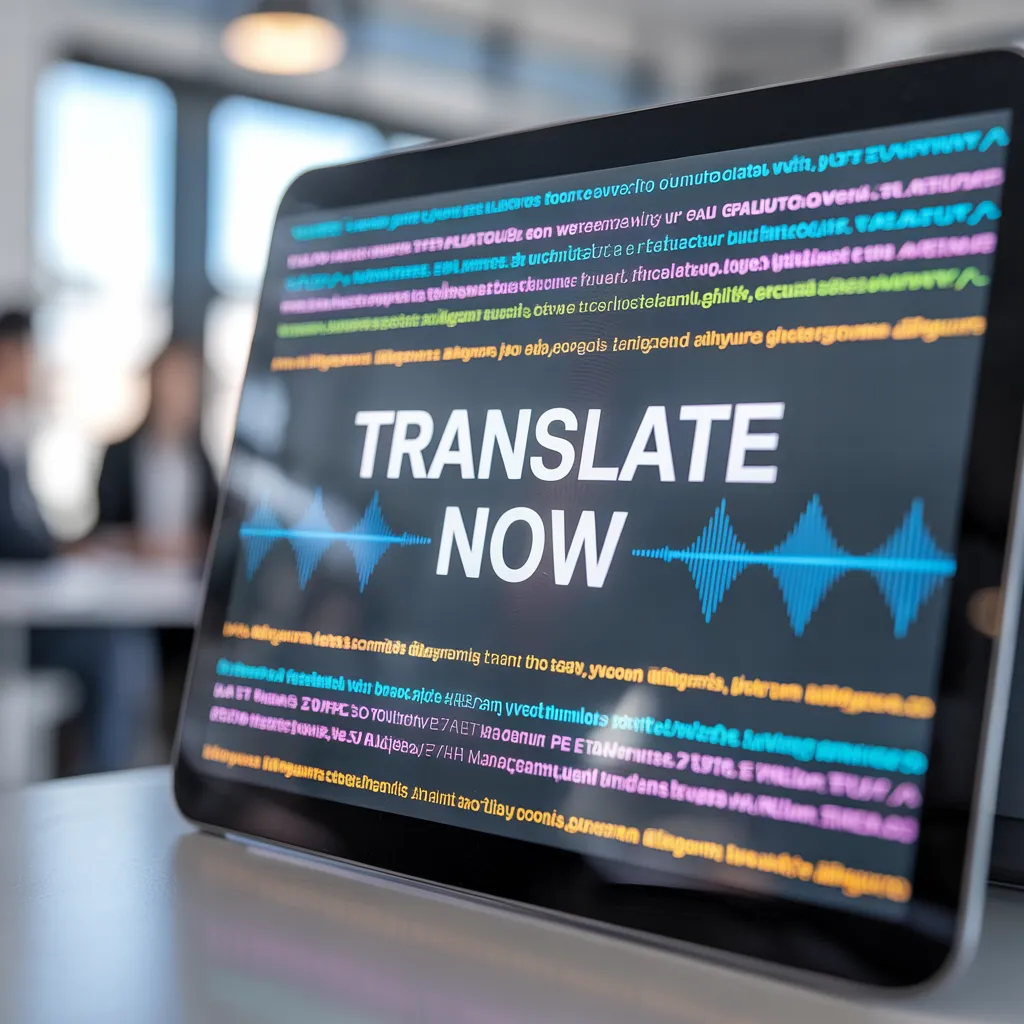
AI language translation refers to the use of AI technologies to translate text or speech from one language to another. You may find these tools in various applications, such as translation apps, chatbots, and virtual assistants. They evaluate massive amounts of data to understand context and grammar, making translations more precise and fluid. You benefit from faster, real-time translations, permitting you to communicate smoothly across language barriers. These systems employ machine learning and neural networks, constantly enhancing their capabilities as they process more data. With AI language translation, you can access information and connect with people globally, enhancing your understanding of different cultures and ideas. Utilizing this technology creates a world of possibilities for both personal and professional growth.
How AI Translation Tools Overcome Communication Barriers
AI translation tools make it easier for you to communicate instantly across languages, removing hurdles that formerly felt impossible to overcome. They not only translate copyright but also capture cultural nuances and context, guaranteeing your communication connects with varied audiences. This functionality creates expanded commercial prospects, enabling you to engage with customers and collaborators globally.
Real-Time Language Translation
As you journey through an increasingly connected world, the ability to communicate across languages has never been more crucial. AI translation tools provide immediate language conversion, breaking down barriers like never before. When you employ these tools, you can deliver messages, grasp documents, and join conversations without the hassle of traditional translation methods. The speed at which AI processes language permits you to connect with people from different cultures seamlessly. Instead of waiting days for a translator, you get instant responses, improving collaboration and fostering relationships. Whether you're traveling, working internationally, or simply exploring new cultures, these AI tools enable you to bridge communication gaps easily. Accept this technology, and access a world of opportunities at your fingertips.
Understanding Cultural Nuances and Context
Though conventional translation strategies frequently overlook cultural subtleties, today's translation tools are designed to acknowledge and accommodate context, ensuring communication more effective. These artificial intelligence-based solutions realize that copyright hold varying meanings depending on cultural backgrounds. They analyze idioms, slang, and local practices, guaranteeing that your message engages the specific audience.
When you utilize these tools, you're not just transforming text; you're spanning cultural divides. This capability allows you to avoid confusion that could arise from literal translations. By accepting the nuances of language, AI tools enable you to express ideas authentically, fostering more meaningful connections. With these advancements, you can communicate confidently, knowing your message retains its intended meaning across diverse cultures.
Enhanced Business Prospects
Eliminating communication barriers creates access to a world of greater business opportunities. With AI translation tools at your disposal, you can communicate with clients and partners around the world, regardless of language barriers. Imagine smoothly negotiating deals in real-time or collaborating on projects without the frustration of miscommunication. These tools enable you to localize your marketing strategies, ensuring your message resonates with diverse audiences. You'll obtain insights into new markets, allowing you to tailor your offerings to meet specific needs. Plus, as you build trust and rapport with international stakeholders, your brand's reputation will strengthen. Embracing AI translation not only eases communication but also positions your business for success in an increasingly interconnected world.
Artificial Intelligence Translation for Business, Travel, and Cultural Applications
As you delve into AI translation, you'll notice how it creates business expansion opportunities across borders. It also enhances travel experiences, making it more straightforward to connect with locals and appreciate new cultures. Let's explore how these advancements reshape the way we interact in these areas.
Business Expansion Opportunities
AI translation technology reveals exciting prospects for business expansion by removing language barriers that once limited global interaction. With artificial intelligence translation tools, you can seamlessly communicate with potential clients and partners around the world, making it less complicated to enter new markets. Imagine rolling out your product in a foreign country without the worry of miscommunication; AI translation guarantees your marketing materials resonate with local audiences. You'll also find it less difficult to adapt your business strategies based on regional preferences and trends. This technology facilitates real-time conversations, enabling quicker negotiations and stronger relationships. By adopting AI translation, you're not just expanding your reach; you're strengthening your business's ability to thrive in a global marketplace. Don't ignore these opportunities!
Elevating Journey Experiences
How might AI translation revolutionize your travel experiences? Imagine exploring a vibrant market in Thailand or ordering a delicious meal in Italy without language barriers. AI translation solutions, like real-time apps, enable you to communicate effortlessly with locals, enriching your cultural immersion. You can ask for directions, negotiate prices, or explore traditions, all while feeling comfortable in your interactions.
Furthermore, AI translation allows you to navigate signs, menus, and copyright, guaranteeing you don't miss out on essential details. You'll realize that even simple conversations can create unforgettable memories and connections. Embracing AI translation not only enhances your journey but also cultivates understanding and appreciation for the varied cultures you encounter along the way.
Advantages of Using AI Translation Technology
Communication barriers can become a major challenge in our globalized world, but AI language translation provides a effective solution. You can effortlessly communicate with others from various cultures, fostering relationships and expanding your network. This technology provides fast translations, preserving you time and preventing misunderstandings in conversations. Whether you're exploring, working, or studying abroad, AI translation tools help you move through new environments with confidence. Plus, they're constantly improving, adjusting to context and slang for more reliable results. By leveraging AI language translation, you not only improve your personal experiences but also gain access to a wealth of information and perspectives from around the globe. Ultimately, it empowers you to connect, learn, and grow in ways you might not have thought possible.
Issues Impacting AI Language Translation
Whereas AI language translation provides many benefits, it also faces substantial challenges that can impact its effectiveness. One major issue is context; AI often struggles to grasp nuances, idioms, or cultural references, leading to awkward or incorrect translations. Moreover, languages are perpetually evolving, and keeping translation models updated is an challenging task. You'll notice that specialized jargon in fields like law or medicine can bewilder AI, causing inaccuracies. Privacy concerns arise, too, as users may be unwilling to share sensitive information with translation tools. Finally, reliance on AI can erode human translator skills, as fewer people practice language proficiency. Resolving these challenges is vital to ensure AI translation remains a reliable tool for global communication.
Upcoming Developments in AI Translation
As progress in AI technology continue to accelerate, the future of AI translation looks promising with several emerging trends shaping its evolution. You'll see a significant push towards real-time translation, rendering communication seamless across languages during conversations or video calls. Moreover, personalization will play a crucial role, where AI adapts translations based on individual preferences and context. Enhanced cultural sensitivity will also emerge, enabling translations to reflect regional nuances more accurately. Moreover, integration with other technologies like augmented reality will enhance user experiences, allowing instant translations of written text in the real world. As these trends unfold, you'll see that AI translation becomes even more efficient and user-friendly, eliminating language barriers like never before.
Suggestions for Choosing the Right AI Translation Tool
Picking the right AI translation tool can seem daunting with so many alternatives available. Begin by determining your unique needs. Are you converting documents, websites, or live conversations? Think about the languages you need support for, as not all tools support the same range. Search for user-friendly interfaces; you want something simple that won't waste your time. Check for features like contextual understanding and tone adjustments, as these can greatly boost accuracy. Review reviews and assess pricing plans to find a balance between cost-effectiveness and functionality. Lastly, leverage free trials to test how well the tool meets your needs before making a commitment. With the right strategy, you'll find a translation tool that improves your global communication initiatives.
Questions & Answers
Can AI Translation Handle Idiomatic Expressions Effectively?
AI translation can struggle with idiomatic expressions, but it continues to improve. You'll notice that while some expressions are translated precisely, others might lose their actual meaning, so it's advisable to double-check translations for context.
What Level of Security Does My Data Have With AI Translation Platforms?
Your data's security with AI translation tools varies by provider. Most implement encryption and privacy safeguards, but checking their policies is essential. Always exercise caution and consider alternatives if you're concerned about data safety.
Are There Limitations to AI Translation Accuracy?
Yes, there are limitations to AI translation accuracy. Idiomatic expressions, context, and cultural nuances often become lost. Though AI can help, it cannot completely replace human comprehension and linguistic subtleties.
Does AI Have the Ability to Translate Dialects and Regional Variations?
While AI can handle dialect and regional variation translation, the precision fluctuates. Translation may result in the loss of some nuanced meanings, so output verification is important, particularly when dealing with uncommon dialects or expressions.
How Does AI-Powered Translation Learn and Improve Over Time?
AI translation systems learn and enhance their capabilities by examining large datasets of text data, detecting patterns, and obtaining user feedback. As it works with more languages, it modifies and perfects its accuracy, enhancing your translation experience continuously.